The post How can Gavi better reach the unimmunised? Here are 11 opportunities and risks appeared first on Gavi CSO Constituency.
]]>2 July 2024 7 min read by Anderson Amaechi ,Audrey Beaulieu ,Nathalie Gons
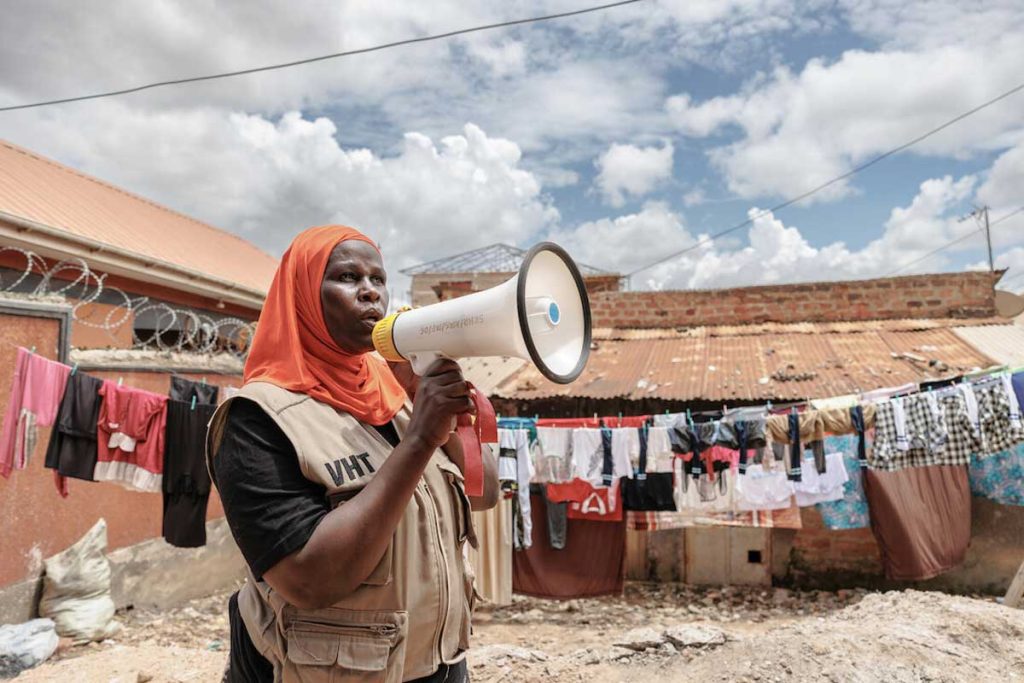
For more than two decades, Gavi and its Alliance partners have helped vaccinate over a billion children in the lower-income countries around the globe, preventing over 17 million future deaths. Despite this tremendous progress, there were still an estimated 9 million children who have never received any vaccines (referred to as “zero-dose children”) in Gavi-eligible countries in 2019.
Against this backdrop, Gavi decided to further mainstream equity as a lynchpin in its fifth strategy which underpins the broader “leave no one behind” ambition of the Immunization Agenda 2030 (IA2030) global strategy. This agenda places priority and focus on reaching the most marginalised and vulnerable populations to ensure that all children receive all of the recommended routine childhood vaccines.
To enable Gavi to effectively monitor the progress of its contribution to reaching zero-dose children and missed communities, an independent evaluation was commissioned to inform the Gavi Board, Gavi Secretariat and Vaccine Alliance partners how their work is contributing to immunising children in the lowest-income and most marginalised communities in Gavi-eligible countries. This included eight country case studies from Afghanistan, Cambodia, Côte d’Ivoire, Djibouti, Ethiopia, India, Pakistan and South Sudan.
The evaluation aimed to inform programmatic improvements during Gavi’s 2021–2025 strategic period and the development of the next Gavi strategy, covering the 2026–2030 period. The first annual report covers Phase 1 (Year 1) of the evaluation, during which the aim was to establish an in-depth baseline in eight case study countries, against which work in future years can be compared. Phase 2 evaluation is underway, and will further generate evidence in relation to key areas to inform the operationalisation of the zero-dose agenda.
Eleven key takeaways have been identified from the country case studies in relation to strengths and opportunities, challenges and risks in Gavi’s contribution to reaching zero-dose children and missed communities.
Strengths and opportunities
1. The flexibility and adaptability of Gavi’s support
Gavi and its Alliance partners make a significant contribution to reaching zero-dose children and missed communities, particularly in lower-income and/or fragile settings, through mechanisms that allow for flexibility and adaptation to immediate needs. In Ethiopia, respondents at the national level highlighted that Gavi’s Targeted Country Assistance (TCA) funding was relevant to Ethiopia’s vaccination needs, and emphasised the adaptability of Gavi’s support, which can be tailored to meet specific challenges as they arise. As emphasised in the Ethiopia Country Case Study (CCS) report, initiatives undertaken during Gavi’s 2016–2020 period have been foundational, especially in building infrastructure and maintaining a focus on key agendas such as reaching zero-dose children.
2. Importance of community and religious leaders
Community engagement, particularly involving religious leaders, has been crucial for increasing awareness and promoting immunisation in challenging contexts such as Afghanistan. The Afghanistan CCS report highlighted improving demand for immunisation services through the mobilisation of religious leaders was one key activity. A national-level representative added that “community engagement and the involvement of religious leaders have been crucial in promoting vaccination in Afghanistan”. This approach leverages the influence of community leaders to foster demand for immunisation services among their community members.
3. Role of partnerships
Strong partnerships have been pivotal in creating robust networks for vaccination activities across different countries. The Côte d’Ivoire CCS report highlighted that the involvement of various stakeholders under a Health System Strengthening (HSS2) grant has enabled a strong platform of actors to carry out vaccination and immunisation activities, engaging a wide range of health and non-health actors at the community-level from civil society organisations (CSOs) and expanded Alliance partners. Partners at various levels work together and share learning, embedding lessons learnt and good practices into different activities. Strong partnerships have been essential in establishing a coordinated approach to streamline delivery and efficiency of zero-dose activities.
4. Significance of cold chain and wider supply chains
Strengthening supply chains and cold chain management is a key focus for ensuring better vaccine delivery, especially to zero-dose communities. In Pakistan, significant efforts have been made to address cold chain equipment gaps. The Pakistan CCS report noted that the three-year Cold Chain Equipment Optimisation Platform (CCEOP) application will contribute to reaching and vaccinating zero-dose children by addressing cold chain equipment (CCE) gaps in the 83 prioritised districts where high numbers of zero-dose children live. Strengthening cold chain infrastructure is a critical component in ensuring effective vaccine delivery, especially in remote areas: these efforts are essential for maintaining vaccine efficacy and coverage.
5. Improvement in vaccine coverage rates and targeted strategies for under-served communities
There have been significant improvements in immunisation coverage in several regions, despite numerous challenges. In South Sudan, for example, coverage rates for the first dose of diphtheria, pertussis and tetanus-containing vaccine (DTP1) and third dose (DTP3) improved from 51% and 45% in 2016 to 76% and 73% in 2022 – with DTP1 used as a proxy for zero-dose children and DTP3 for under-immunised children.
These improvements in vaccination coverage rates, while recognising data limitations, are noteworthy (South Sudan CCS Report).
Additionally, specific strategies have been developed to address barriers faced by communities with higher levels of zero-dose children, ensuring they are reached and then given access to the full course of vaccines. In Cambodia, Gavi’s Equity Accelerator Funding (EAF) supported the development of targeted strategies focusing on four key sub-populations with higher levels of zero-dose children (migrants, ethnic minorities, remote rural poor and urban poor communities) (Cambodia CCS Report). These targeted strategies are crucial for addressing the unique challenges faced by these communities.
Have you read?
- Zeroing in on zero-dose
- Evaluating Gavi’s strategies, policies and programmes: what lessons can be drawn from Gavi’s Annual Evaluation Report 2023?
Challenges and risks
1. Operationalisation delays and bureaucracy
As reported in the Côte d’Ivoire and Pakistan CCS reports, there were delays in the operationalisation of Gavi’s 2021–2025 strategy due to lengthy Full Portfolio Planning (FPP) processes. Moreover, bureaucratic challenges experienced in Afghanistan, further exacerbated by the country’s fragility, highlighted the need for more streamlined, agile funding application processes (Afghanistan CCS Report). Simplifying and streamlining funding levers and related guidance, tools and processes was one of the recommendations from another Gavi-commissioned evaluation.
Furthermore, some countries face significant procedural and administrative issues related to grant disbursement between the national and sub-national levels. For example, procedures for funding disbursement to implementing entities in Côte d’Ivoire were perceived as laborious by key participants in the evaluation, leading to delays and lower funding utilisation (Côte d’Ivoire CCS Report).
See Evaluation of strategy operationalisation
2. Insufficient data and reporting
A prevalent issue in countries like Côte d’Ivoire and Djibouti is inconsistent and scattered data reporting, which hinders the ability to accurately assess the progress and effectiveness of vaccination initiatives (Côte d’Ivoire CCS Report; Djibouti CCS Report). Additionally, poor data quality and availability impede evidence-based decision-making and programme design, as seen in Djibouti and Ethiopia. Multiple data sources are often required to address these challenges, yet they still compromise effective programme implementation. Moreover, limited access to current data increases the complexity of targeting and district selection.
In India, inconsistencies in district selection for Gavi support based on outdated data impact targeting efficiency (India CCS Report). This complexity of targeting specific regions and populations is a recurring challenge that affects the overall effectiveness of vaccination initiatives.
3. Human resource challenges
Weak human resource capacity, high turnover and lack of operational leadership undermine the effectiveness of immunisation efforts in many countries. Djibouti, in particular, suffers from these issues, affecting evidence-based decision-making and programme design (Djibouti CCS Report).
4. Geographic and access barriers
Geographic and access barriers are significant in countries with conflict areas, such as South Sudan. Most zero-dose children live in these areas with limited access to primary health care facilities, complicating vaccination efforts (South Sudan CCS Report).
5. Community engagement and advocacy
While efforts to engage communities and CSOs)have been noted, there are gaps in effective advocacy and mobilisation. In Côte d’Ivoire, for example, efforts to understand socio-economic barriers did not result in explicit advocacy for the zero-dose agenda (Côte d’Ivoire CCS Report). The timely identification and involvement of CSOs are crucial yet challenging, as observed in Cambodia (Cambodia CCS Report).
6. Fragmented coordination and collaboration
Inconsistent coordination among government departments and partners is a key theme. Djibouti and South Sudan face challenges with fragmented coordination, which impedes effective implementation of vaccination initiatives (South Sudan CCS Report). Better coordination among partners and more flexible funding mechanisms are necessary for improved outcomes.
In conclusion, it is important to note that Gavi and its Alliance partners broadly agree with the conclusions and recommendations (strategic and operational implications) provided in the report of the first phase of the zero-dose evaluation. Additionally, some of the findings and implications within Gavi’s sphere of control are already being actively addressed to enhance Gavi’s effectiveness and impact in reaching zero-dose children and missed communities. The Evaluation Management Response (EMR) presents all actions that are planned to be taken in response to the recommendations from this first phase of the evaluation.
Authors
Anderson Amaechi, Audrey Beaulieu, Nathalie Gons based on the findings from the IPSOS-led independent evaluation.
The post How can Gavi better reach the unimmunised? Here are 11 opportunities and risks appeared first on Gavi CSO Constituency.
]]>The post Gavi Board approves next five year strategy; outlines plans to support access to new vaccines, global health security, and sustainability appeared first on Gavi CSO Constituency.
]]>African Vaccine Manufacturing Accelerator and Day Zero Financing Facility parameters were also approved, along with expansion of Gavi’s portfolio to include tuberculosis, dengue fever, group B streptococcus, hepatitis-E, and mpox
The impact of Gavi’s next strategic period, along with the funding needs to achieve its objectives, will be announced in Paris on 20th June at the “Protecting Our Future: The Global Forum for Vaccine Sovereignty and Innovation”, co-hosted by the African Union, Government of France, and Gavi
Geneva, 7 June 2024 – The Board of Gavi, the Vaccine Alliance today announced a series of decisions that provide a framework for an acceleration of global immunisation – including approval of “Gavi 6.0”, the Alliance’s 2026-2030 strategy, expansion of Gavi’s vaccine portfolio, and plans to support global health security and regional manufacturing through the African Vaccine Manufacturing Accelerator and a First Response Fund for use in future pandemics. The decisions were taken during a two-day meeting convened in Geneva from 6-7 June.
“Vaccines are one of the most impactful and cost-effective health and development interventions available today,” said Professor José Manuel Barroso, Chair of the Gavi Board. “As we look to 2030 and progress against the Sustainable Development Goals amidst climate change and other challenges, the message is clear: the world must continue to invest in the transformative impact of vaccines and their ability to save lives and ensure our collective security.”
To set the scene for two days of discussions on Gavi’s future direction, the Board first reviewed progress for the current strategic period, noting that the Alliance is largely on track across mission indicators despite the disruptions caused by the COVID-19 pandemic. Progress includes critical advances in the push to reach 86 million girls with vaccines against human papillomavirus (HPV), with five new country launches since September 2023, and the new malaria vaccination programme, where 22 country applications have been approved and deeper collaboration with the broader set of malaria stakeholders, including the Global Fund, is underway. While there has been a 12% reduction in the number of outbreaks requiring a response between 2022 and 2023, it continues to be an area of concern that this remains far above pre-pandemic averages, primarily driven by surges in cholera and measles outbreaks.
PRIORITIES FOR GLOBAL IMMUNISATION THROUGH 2030
The Board approved the Vaccine Alliance’s strategy for the period 2026-2030, known as “Gavi 6.0”. The 6.0 strategy will be the most ambitious in Gavi’s history: seeking to protect more people, against more diseases, faster than ever before. This means a continued focus on Gavi’s core mission:
To support new vaccine introductions
Expand existing programmes
Achieve equity through targeted efforts to reach and fully immunise missed “zero-dose” children and communities
Scale up critical innovations
Shape markets to ensure the availability of affordable and suitable vaccines for lower-income countries.
The new strategy will also make the Gavi model increasingly responsive to the evolving global context – from climate change to the increasing threat of outbreaks, antimicrobial resistance, and fragility and conflict – to continue meeting countries’ and communities’ needs. Key elements to this approach include proposed adjustments to Gavi’s co-financing, eligibility and transition approach to ensure the continued sustainability of immunisation programmes; deeper partnerships with global and regional organisations, civil society and communities; differentiated, flexible and tailored support for fragile and humanitarian contexts; streamlining Gavi’s operating model; and enhanced support for climate-sensitive and outbreak, epidemic and pandemic-prone diseases. The Alliance begin work on operational details, in preparation for implementation of the strategy beginning in 2026.
The projected impact of the next five years of work, as well as the total funding needs for the strategic period, will be announced on 20 June at the “Protecting Our Future: Global Forum for Vaccine Sovereignty and Innovation”, co-hosted by the African Union (AU), Africa Centres for Disease Control and Prevention (Africa CDC), Government of France and Gavi. The event will see the launch of both Gavi’s Investment Opportunity for 2026-2030 as well as the African Vaccine Manufacturing Accelerator (AVMA), a first-of-its-kind US$ 1 billion financial instrument in support of sustainable vaccine manufacturing on the African Continent. Securing funding for the 2026-2030 period will be vital to ensuring the success of Gavi’s strategy.
EXPANDING GAVI’S VACCINE PORTFOLIO
A critical part of each five-year period is the approval of a new Vaccine Investment Strategy (VIS), which looks at the pipeline of promising vaccines and vaccine candidates and evaluates how best to expand the portfolio of vaccines Gavi offers. The Board approved the 2024 VIS, which will include future vaccination programmes and learning agendas for tuberculosis (adolescent vaccines), group B streptococcus, and dengue fever (the latter investment conditional on availability of relevant data on the burden in Gavi-supported countries), as well as global stockpiles and learning agendas for vaccines against mpox and hepatitis E. In-principle approvals via the Vaccine Investment Strategy allow Gavi to begin market signaling and preparedness activities in advance, which is a critical part of Gavi’s model to accelerate access to lower-income countries so new vaccines can be deployed as soon as they become available.
The Board also approved a learning agenda on vaccination against shigella, and, given the levels of coverage achieved, current epidemiology and country demand, recommended sunsetting of the routine COVID-19 vaccination programme at the end of 2025. Potential COVID-19 needs for a “worst-case scenario” after 2025 will be addressed through Gavi’s emergency response mechanisms.
For mpox, the Board additionally approved that in the current strategic period, the Alliance would support the response to the on-going outbreak in the Democratic Republic of the Congo (DRC) and further potential outbreaks in surrounding countries – including leveraging COVID-19 experiences to coordinate dose donations.
CRITICAL SUPPORT FOR VACCINE SOVEREIGNTY AND HEALTH SECURITY
Following Board approval in 2023, decisions were made on the operational parameters for innovative vaccine sovereignty and health security mechanisms set up by Gavi in response to learnings from the COVID-19 pandemic.
The Board approved the final structure of the African Vaccine Manufacturing Accelerator, which will be launched on 20 June. In particular this includes the eligibility criteria designed to focus support on sustainable end-to-end vaccine manufacturing on the Continent. The Board also endorsed AVMA’s governance mechanisms, which will involve the Gavi Board as well as partners including the AU, Africa CDC, UNICEF, WHO, manufacturers, and donors. The finalisation of AVMA sends an immediate signal to investors regarding Gavi’s long-term commitment to support a sustainable African vaccine manufacturing base, and to improving African pandemic and outbreak vaccine supply resilience.
Another mechanism discussed was the Day Zero Financing Facility for Pandemics, a suite of instruments that will seek to make financing accessible in the first 100 days of a major public health emergency. The Board approved the parameters for the DZF’s new First Response Fund, which sets aside US$500 million for rapid response to emergencies. Following the Board’s decision, the scope of the First Response Fund was confirmed as core Gavi-eligible countries, with potential for exceptions if needed, and targeted mainly to WHO Public Health Emergencies of International Concern without existing vaccine programmes. The Board also agreed that the funds could be used to procure, alongside vaccines, syringes and ancillaries, personal protective equipment, cold chain, surge capacity, health system and community preparedness and response activities.
“The decisions taken today reflect our full Alliance of stakeholders aligning around a clear goal: ensuring Gavi’s model continues to best support the countries and communities who are our partners,” said Dr Sania Nishtar, CEO of Gavi. “In a complex and changing world, today’s decisions will help Gavi deliver systematic impact faster than ever before.”
APPOINTMENTS AND PROCESS UPDATES
David Sidwell was appointed as Board Member and Chair of the Audit and Finance Committee, replacing Naguib Kheraj, and appointed to the Market-Sensitive Decisions Committee and the Investment Committee
Awa-Marie Coll-Seck was reappointed as Board Member and as a member of the Programme and Policy Committee
Karen Sorenson was appointed a member of the Audit and Finance Committee and the Investment Committee
Onei Uetela was appointed a member of the Evaluation Advisory Committee
The post Gavi Board approves next five year strategy; outlines plans to support access to new vaccines, global health security, and sustainability appeared first on Gavi CSO Constituency.
]]>The post Afreximbank and Africa CDC pledge US$2 billion facility in support of Africa Health and Pharmaceutical Products Manufacturing appeared first on Gavi CSO Constituency.
]]>Through this collaboration, Afreximbank has committed a US$ 2 billion facility to the “Africa Health Security Investment Plan” to support the health product manufacturing ambition of the continent. This initiative will focus on the African Pooled Procurement Mechanism (APPM) and the Platform for Harmonized African Health Products Manufacturing (PHAHM).
This initiative is pivotal in addressing Africa’s health investment challenges, promoting economic development, and strengthening health security across the continent. It also intends to complement GAVI’s innovative financing mechanism, the African Vaccine Manufacturing Accelerator (AVMA) which is set to provide up to USD 2 billion financing to African manufacturers of health and pharmaceutical products over the next ten years.
African pharmaceutical companies face severe impacts of the global health, security and economic challenges, yet they are the drivers of investments and technology advancements that the health sector needs. Low investor confidence, lack of appropriate infrastructure, trade related barriers, and regulatory challenges are some of the constraints to investment in Africa’s health sector. While funds might be available, many potential investments do not materialize due to financial and non-financial obstacles. Coordinated efforts at the continental level are essential to reverse this trend and align with the New Public Health Order.
Closing the investment gap will be crucial to achieving the African Union’s ambition of manufacturing 60% of vaccines needed locally by the year 2040 as well as implementing all other countermeasures necessary to ensure self-reliance especially during crises such as pandemics and outbreaks.
While commenting on the signing, Prof. Benedict Oramah, President and Chairman of the Board of Directors of Afreximbank said: “We are pleased to be part of yet another momentous event that will change the course of health security in Africa. This facility will help strengthen the manufacturing of health and pharmaceutical products in Africa through our comprehensive and existing interventions such as Project Preparation funding, Project and Trade Finance as well as Guarantees. Furthermore, we intend to put our full weight behind this facility with equity investments through our subsidiary FEDA – the Fund for Export Development into Africa.”
“Today is a big day for African vaccine manufacturing as well as health products manufacturing in general, as we welcome these major investment announcements that will change the face of health products manufacturing in Africa for years to come. Protecting our future, means investing in our ability to achieve self-reliance on all health countermeasures; vital to accomplish our mission of safeguarding Africa’s health” said H.E. Dr. Jean Kaseya, Director General, Africa CDC.
The “Africa Health Security Investment Plan” will allow Afreximbank to support and finance key health projects identified by the Africa CDC. The joint effort combines institutional and financial resources, financial tools such as equity and debt financing, guarantees, venture capital, capacity building, and risk-sharing to boost and attract more health investments in Africa.
The ‘Africa Health Security Investment Plan’ is built on three key pillars:
Technical Assistance and Advisory Services: A single-entry point for health project preparation and implementation, with capacity-building support from the Africa CDC.
Investment Project Pipeline: A clear, forward-lookinglist of health investment projects in Africa, accessible through Afreximbank Project Portal.
Regulatory and Normative Support: implementing programs to remove bottlenecks and create a conducive environment for trade and investment, guided by the Technical Steering Committee of Africa CDC- AfCFTA.
The Africa Health Security Investment aims to tackle Africa’s health investment challenges, promote economic growth, and enhance health security across the continent.
ENDS
About Afreximbank
African Export-Import Bank (Afreximbank) is a Pan-African multilateral financial institution mandated to finance and promote intra-and extra-African trade. For 30 years, the Bank has been deploying innovative structures to deliver financing solutions that support the transformation of the structure of Africa’s trade, accelerating industrialization and intra-regional trade, thereby boosting economic expansion in Africa. A stalwart supporter of the African Continental Free Trade Agreement (AfCFTA), Afreximbank has launched a Pan-African Payment and Settlement System (PAPSS) that was adopted by the African Union (AU) as the payment and settlement platform to underpin the implementation of the AfCFTA. Working with the AfCFTA Secretariat and the AU, the Bank is setting up a US$10 billion Adjustment Fund to support countries effectively participating in the AfCFTA. At the end of December 2023, Afreximbank’s total assets and guarantees stood at over US$37.3 billion, and its shareholder funds amounted to US$6.1 billion. Its total revenue amounted to US$ 2.6 billion during 2023. Afreximbank has investment grade ratings assigned by GCR (international scale) (A), Moody’s (Baa1), Japan Credit Rating Agency (JCR) (A-) and Fitch (BBB). Afreximbank has evolved into a group entity comprising the Bank, its impact fund subsidiary called the Fund for Export Development Africa (FEDA), and its insurance management subsidiary, AfrexInsure (together, “the Group”). The Bank is headquartered in Cairo, Egypt. For more information, visit: www.afreximbank.com
Africa CDC
About Africa CDC: The Africa Centres for Disease Control and Prevention (Africa CDC) is a continental autonomous public health agency of the African Union that supports member states in their efforts to strengthen health systems and improve surveillance, emergency response, and prevention and control of diseases. Learn more at: http://www.africacdc.org
Media Contacts
For Africa CDC
Margaret Edwin,
Director of Communication & Public Information Division: Africa CDC | Tel: +251 986 632 878 Email: EdwinM@africacdc.org
For Afreximbank
Vincent Musumba
Manager, Communications and Events (Media Relations)
Email: press@afreximbank.com
The post Afreximbank and Africa CDC pledge US$2 billion facility in support of Africa Health and Pharmaceutical Products Manufacturing appeared first on Gavi CSO Constituency.
]]>The post Protecting more children, against more diseases, faster than ever before: Gavi, the Vaccine Alliance unveils plans for next 5-year period appeared first on Gavi CSO Constituency.
]]>At a Forum co-hosted by Gavi, the African Union and the French Republic, Gavi announced it will need at least US$ 9 billion in new donor funding for this work. In response, the United States of America, France, Spain, the private sector and philanthropy pledged early support worth at least US$ 2.4 billion towards this goal.
The Forum also saw the launch of the African Vaccine Manufacturing Accelerator (AVMA), an innovative financing mechanism which aims to foster regional vaccine production and vaccine sovereignty on the African continent, with twelve sovereign and philanthropic donors committing to invest approximately US$ 1.2 billion.
Governments and donors also committed to championing investment in the production of vaccines against cholera on the African continent.
Paris / Geneva, 21 June 2024 – On 20 June Gavi, the Vaccine Alliance (Gavi) co-hosted the Global Forum for Vaccine Sovereignty and Innovation with the African Union and the French Republic. At this event, opened by the Chair of the Board of Gavi, the President of the French Republic, and the Chairperson of the African Union Commission (AUC), Gavi called on donors to support its efforts to protect more children, against more diseases, faster than ever before as it published its Investment Opportunity for its next strategic period, 2026–2030. The Forum also marked the launch of the African Vaccine Manufacturing Accelerator (AVMA), which will be backed by approximately US$ 1.2 billion in donor funding over the next 10 years.
Countries from around the world participated in this Global Forum, including the Heads of State or Government of Botswana, Germany, Ghana, Norway, Rwanda, and Senegal, as well as high-level representatives from governments (including more than 25 Ministers) and the European Commission, and leaders of partner organisations such as WHO, UNICEF, the Global Fund and Unitaid, as well from civil society, development banks, and the private sector.
THE FUTURE OF GLOBAL IMMUNISATION
In presenting its latest Investment Opportunity, Dr Sania Nishtar, CEO of Gavi outlined to participants how the Alliance, if fully funded, could protect 500 million children in its next five-year strategic period, saving over 8 million lives.
Today’s announced targets mean that while Gavi vaccinated one billion children between 2000 and 2020, it is aiming to reach the next billion children in half the time. This acceleration through 2030 is critical at a time when countries combat the increasing risks of climate change, fragility, and economic instability – and in the last push towards the Sustainable Development Goals. Fifty percent of the vaccines in Gavi’s portfolio help combat the twin threats of climate change and antimicrobial resistance, expand investments in outbreak and pandemic preparedness and response, and key vaccine programmes. In Gavi’s next five-year strategy, it will aim to reach at least 50 million children with four doses of the malaria vaccine, and 120 million girls – saving 1.5 million lives – with the HPV vaccine.
Achieving this historic milestone will require effort from all of Gavi’s stakeholders, with donors being asked to provide new funding of US$ 9 billion. These pledges will be supplemented by a suite of innovative finance instruments that will maximise the impact of donor funding. Meanwhile, countries implementing Gavi programmes are expected to contribute a record amount – over 40% – of their own routine vaccine costs during the next strategic period. This is compared to 10% just fifteen years ago, reflective of the Vaccine Alliance’s unique model of country-ownership and sustainability of immunisation programmes. At the same time, immunisation programmes are expected to generate at least US$ 100 billion in economic benefits for Gavi-implementing countries.
With Gavi’s replenishment process for 2026–2030 only just beginning, the event saw early pledges from the United States of America, France, Spain and private sector and philanthropic donors worth at least US$ 2.4 billion (see below for details). Gavi will now commence an intense period of fundraising, with a view to hosting a final pledging event in the next 7 to 12 months.
HISTORIC SUPPORT FOR SUSTAINABLE AFRICAN VACCINE MANUFACTURING
The Forum also saw the official launch of the African Vaccine Manufacturing Accelerator (AVMA), an innovative finance mechanism designed to boost regional vaccine production capabilities in Africa and thus improve the continent’s resilience in the face of pandemics and other health emergencies.
Designed by Gavi in close collaboration with the African Union and Africa CDC, AVMA will offer incentives to the region’s vaccine producers that successfully hit critical regulatory and supply milestones, helping to offset high upfront investment costs. Twelve sovereign and philanthropic donors committed to provide approximately US$ 1.2 billion to AVMA, including around US$ 800 million from Team Europe partners.
“Over twenty years, Gavi has vaccinated a whole generation – over one billion children. Our message today to our donors is that, with their help we can achieve even greater impact, helping to create a world that is safer for everyone,” said José Manuel Barroso, Chair of the Board of Gavi, the Vaccine Alliance.
“The Global Forum for Vaccine Sovereignty and Innovation we organized together today in Paris is a concrete milestone towards vaccine sovereignty in Africa. France, hand in hand with its partners, is leading the way to champion global vaccination, ensuring every nation can protect its citizens and foster a healthier, united world,” said Emmanuel Macron, President of the French Republic.
“The African Vaccine Manufacturing Accelerator could thus become a catalyst for promoting the pharmaceutical industry in Africa, creating an environment conducive to technical assistance and technology transfer, and fostering innovation and collaboration between member states. Africa-CDC is strongly committed to increasing Africa’s drug production capacity from 1% to 60% by 2040. As part of this drive, the African Continental Free Trade Area (AfCFTA), once operational, will lay the foundations for a genuine integration of the levers of our health sovereignty,” said Moussa Faki Mahamat, Chairperson of the African Union Commission.
OUTCOMES OF THE GLOBAL FORUM
In addition to unveiling its 2026–2030 Investment Opportunity and formalizing AVMA, the Forum saw a number of new commitments and partnerships launched in support of Gavi’s next strategic period, leading to early pledges totalling more than US$ 2.4 billion:
The United States of America will commit at least US$ 1.58 billion over the next five years towards Gavi’s next strategy
France will commit at least an equal amount compared to its contribution for the 2021–2025 strategic period
Spain will commit at least 25% more compared to its contributions for the 2021–2025 strategic period
Bill & Melinda Gates Foundation is committing new funding of up to US$ 30 million to the Gavi Matching Fund and US$ 21 million as initial contributions to Gavi 6.0; it will make its full replenishment pledge at a later date.
A contribution from the ELMA Vaccines & Immunization Foundation, matched by the Gavi Matching Fund, will make a total of US$ 10.3 million available for sustainably identifying and reaching under-immunised children in rural communities in Ethiopia, as well as to improve vaccine distribution and data systems at the last mile in Uganda.
A consortium of private foundations, entities, and high net worth individuals is contributing a total of US$ 8 million, marking the first step to scale-up vaccine access using Zipline’s drone innovation.
A commitment from Power of Nutrition Pakistan and the Aga Khan Foundation, matched by Gavi Matching Fund, will make US$ 7.2 million available for the joint delivery of immunisation and nutrition services to zero-dose children living in remote and fragile settings in Pakistan.
UPS, a longstanding Gavi partner, further commits US$ 1 million to strengthen last mile delivery supply chain networks in Ethiopia.
An anonymous high-net worth individual will donate US$ 1 million in funding to support Gavi’s core programmes in the next strategic period.
A number of commitments were also confirmed in support of the African Vaccine Manufacturing Accelerator (AVMA), primarily through strategic reallocations of COVID-19 funding, totalling approximately US$ 1.2 billion.
Germany – US$ 318 million
European Commission – US$ 233 million
Italy – US$ 150 million
United States – US$ 150 million
France – US$ 100 million
Canada – US$ 65 million
United Kingdom – US$ 60 million
Japan – US$ 30 million
Norway – US$ 26 million
Bill & Melinda Gates Foundation – US$ 10 million
Luxembourg – US$ 3 million
Ireland – US$ 710,000
In addition to financial commitments from sovereign and private donors to Gavi’s next strategic period, and innovative private sector and philanthropic partnerships, vaccine manufacturers also stepped up to support the Vaccine Alliance’s goal of shaping healthy vaccine markets that support equitable access:
South Africa’s Biovac announced a partnership with South Korea’s EuBiologics to manufacture pentavalent meningitis vaccine in Africa, and with France’s Sanofi to produce inactivated polio vaccine.
Sanofi also announced continued investment in a new Yellow Fever vaccine based on innovative cell culture technology.
EuBiologics announced investment to expand supply of its newly pre-qualified cholera vaccine with optimised formulation.
Atlantic Lifesciences of Ghana announced a partnership to produce HPV vaccines.
Institut Pasteur de Dakar of Senegal announced investments to expand production of Yellow Fever vaccine as well as for innovative antigen platforms for measles-rubella and mRNA vaccines.
A specific declaration dedicated to supporting local production of vaccines against cholera was also made under the auspices of the Forum with the support of Australia, Canada, France, Germany, Ireland, Italy, Japan, Spain, Sweden, the United States of America, as well as the European Commission, Gavi, the Bill & Melinda Gates Foundation and the World Health Organisation. France made a concrete commitment to this ambition by announcing support of EUR 10 million.
“With the support of Team Europe, France committed to co-host this Forum with the Vaccine Alliance and the African Union because we share a common ambition: ensuring vaccine sovereignty for all our partners! Local production is key to better fight epidemics and next pandemics. This objective is at the core of our global health strategy as well as of the EU-AU strategic partnership,” said Dr Chrysoula Zacharopoulou, Minister of State for Development and International Partnerships of the French Republic.
“Africa CDC supports the replenishment of Gavi’s 6.0 strategy, an investment in preventing deaths from vaccine-preventable diseases in Africa. AVMA will enable us to produce 60% of our vaccines in Africa by 2040. The commitments and pledges for the AVMA mark the beginning of Africa’s journey towards its second independence – an Africa that ensures the health security for its citizens,” said Dr Jean Kaseya, Director General of the African Centres for Disease Control and Prevention (Africa CDC)
“We are incredibly grateful for the strong show of support we received today from donors as we prepare for an intense period of resource mobilisation. We are grateful also to implementing countries, for the political commitment they make to vaccine equity, and alongside them Gavi’s many partners and stakeholders with whom we strive day in, day out, to improve lives and livelihoods,” said Dr Sania Nishtar, CEO of Gavi.
Gavi and its partners also launched “The Starting Line,” a campaign designed to mobilise athletes, content creators, and media to highlight the importance of equal access to vaccines. The campaign will run through this summer’s Paris Olympics and will feature a series of sporting champions, including former French footballer Robert Pires, former swimmer, and Olympic gold medalist Laure Manaudou, breakdancer Junior Bosila Banya, professional footballer Ada Hegerberg, and Olympic gold medalist Mo Farah. Additionally, the campaign will include a series of videos by content creators such as Michel Cymes and Max Klymenko, and the launch of a website where everyone can assess their place on “The Starting Line” of life.
Notes to editors
You can access more quotes from donors, partners and champions around the world here.
Event webpage, including recording: https://www.gavi.org/investing-gavi/resource-mobilisation-process/protecting-our-future
About Gavi, the Vaccine Alliance
Gavi, the Vaccine Alliance is a public-private partnership that helps vaccinate more than half the world’s children against some of the world’s deadliest diseases. The Vaccine Alliance brings together developing country and donor governments, the World Health Organization, UNICEF, the World Bank, the vaccine industry, technical agencies, civil society, the Bill & Melinda Gates Foundation and other private sector partners. View the full list of donor governments and other leading organisations that fund Gavi’s work here.
Since its inception in 2000, Gavi has helped to immunise a whole generation – over 1 billion children – and prevented more than 17.3 million future deaths, helping to halve child mortality in 78 lower-income countries. Gavi also plays a key role in improving global health security by supporting health systems as well as funding global stockpiles for Ebola, cholera, meningococcal and yellow fever vaccines. After two decades of progress, Gavi is now focused on protecting the next generation, above all the zero-dose children who have not received even a single vaccine shot. The Vaccine Alliance employs innovative finance and the latest technology – from drones to biometrics – to save lives, prevent outbreaks before they can spread and help countries on the road to self-sufficiency. Learn more at www.gavi.org and connect with us on Facebook and X (Twitter).
The post Protecting more children, against more diseases, faster than ever before: Gavi, the Vaccine Alliance unveils plans for next 5-year period appeared first on Gavi CSO Constituency.
]]>The post Message by the Director of the Department of Immunization, Vaccines and Biologicals at WHO – April 2024 appeared first on Gavi CSO Constituency.
]]>
In a groundbreaking study published by The Lancet and led by WHO, it has been quantified that global immunization efforts have saved an astonishing 154 million lives over the past five decades.
Vaccination against 14 diseases over the past five decades—ranging from diphtheria to yellow fever—has played a pivotal role in slashing infant mortality rates by 40 percent on a global scale. Remarkably, in the African Region, this impact has been even more profound, with a reduction exceeding 50 percent.
Among the vaccines examined, measles vaccination emerged as the most influential in reducing infant mortality, responsible for saving 60 percent of lives through immunization. With its unparalleled efficacy, this vaccine is poised to continue leading the charge in safeguarding lives and bolstering global health efforts for generations to come.
But these are not just numbers. Behind each digit lies a story of a child who can grow up to adulthood, of parents spared from the agony of loss. Among the saved, are 101 million infants who, thanks to vaccines, now have the opportunity to grow, thrive, and explore the world around them.
The impressive outcomes of this study, the most extensive examination of historical vaccine impact to date, arrive just ahead of the 50th anniversary of the Expanded Programme on Immunization (EPI) in May 2024. These achievements wouldn’t have been possible without EPI, born in 1974 with a noble mission: to shield children from deadly and debilitating diseases like diphtheria, measles, and polio. Back then, less than 5% of infants had access to routine immunization. Today, that number is an impressive 84%. The progress achieved over the last half-century is truly awe-inspiring, a testament to the unwavering dedication of governments, global collaborators, scientists, healthcare professionals, civil society, volunteers, and parents worldwide.
Despite decades of progress increasing access to immunizations in lower-income countries, the stark reality remains: in 2022, over 14 million children globally were left without a single vaccine dose. These “zero-dose” children embody communities with compounded vulnerabilities who are not just missing out on vaccines but also on a much wider range of essential services. By continuing to invest in immunization, we can ensure that every child, every person, has the opportunity to thrive in good health and productivity.
The pandemic years have posed unprecedented challenges, undoing years of progress in the blink of an eye. That’s why campaigns like “Humanly Possible: Immunization for All”, launched during World Immunization Week at the end of April, are needed, for continued vigilance and support.
Humanly Possible: Immunization for All
I want to extend my heartfelt gratitude to the global community and all those who contributed to making this year’s campaign unforgettable. We garnered over 1,300 mentions in the media, including notable outlets such as Le Monde, AFP, EFE, DPA, TASS, VOX, MSN, Belga, Infobae, La Vanguardia, and La Nacion. Landmarks like the Jet-d’eau in Geneva illuminated in magenta, alongside numerous events worldwide – including launching ceremonies, webinars, and photo exhibits – further underscored the achievements of immunization. Not to mention, the campaign received tremendous support on social media, with influential figures like football legend David Beckham, a UNICEF Goodwill Ambassador, amplifying the campaign’s message.
Now, we must sustain the momentum of “Humanly Possible.” Now more than ever, we must safeguard immunization progress in every corner of the globe and intensify even further our efforts to reach the 67 million children who missed out on one or more vaccines during the pandemic years.
A new dawn in the fight against meningitis
Looking ahead, there’s renewed optimism in the battle against meningitis, as global leaders gathered for the inaugural high-level meeting to defeat meningitis by 2030, asserting unanimity in the feasibility of this goal with sufficient resources and coordinated efforts. Co-hosted by WHO and the Government of France under the patronage of President Emmanuel Macron, the event convened stakeholders from diverse sectors, including Member States, experts, donors, the private sector, civil society, and Paralympic athletes preparing for the Paris 2024 Games, all demonstrating unwavering commitment to eradicating this disease.
Meningitis, a swift and severe disease with profound health, economic, and social ramifications, disproportionately affects individuals, particularly in the meningitis belt spanning 26 sub-Saharan African countries.
Building on Nigeria’s successful deployment of a new, safe vaccine (Men5) in March targeting prevalent meningococcal strains in Africa, leaders pledged to implement the comprehensive global roadmap for “Defeating Meningitis by 2030“, emphasizing catalytic investments to drive actionable initiatives.
While the objectives outlined in the roadmap are ambitious and forward-thinking, the foundation of collaboration laid by Member States, technical experts, and leaders representing civil society, academia, and the private sector instills confidence in our collective ability to defeat this insidious disease, thereby fostering a fairer, more resilient world for generations to come.
Strengthening malaria immunization efforts in Nigeria
I was honoured to be in Nigeria recently to support the rethinking of approaches to address the country’s high malaria burden, to make the most impactful use of recommended tools, including strategic use of malaria vaccines in that mix to reduce childhood mortality from malaria. Young children are at high risk of dying from malaria; malaria vaccines have been shown to substantially reduce early childhood deaths in public health use through the WHO-coordinated Malaria Vaccine Implementation Programme, and wider roll out of vaccines in Africa is underway.
The “Ministerial Roundtable on Rethinking Malaria Elimination”, was organized by the Nigeria Ministry of Health through the leadership of the Honourable Coordinating Minister for Health and Social Welfare, Professor Muhammad Ali Pate. The roundtable brought together myriad partners and stakeholders to discuss actions that were announced ahead of the high-level dialogue. Nigeria has the world’s largest burden of malaria, with more than a quarter of the world’s cases, and one-third of global deaths, most of whom are young children and pregnant women. WHO supports countries as they use national data for subnational tailoring of malaria interventions, including malaria vaccines, for highest impact.
Looking forward…
There is new hope in the ongoing battle against dengue, one of the most important mosquito-borne diseases in the world: WHO has added the Dengue Tetravalent Vaccine Qdenga to its list of prequalified vaccines. In recent decades, dengue incidence has skyrocketed, with a ten-fold surge in reported cases from 2000 to 2019. This alarming trend shows no signs of slowing down, driven by factors such as urbanization, dense populations, increased global mobility, and the effects of climate change. The prequalification means larger access to vaccines as a key tool to prevent dengue in young children and adults. This achievement not only enhances global health efforts but also provides a vital boost in combating this debilitating disease.
Finally, as we anticipate the Seventy-seventh World Health Assembly, themed “All for Health, Health for All,” May 27 to June 1, urgent action is imperative to achieve the Immunization Agenda 2030 (IA2030), target of halving the number of zero-dose children by 2030. Intensified efforts are needed to reach millions of children in humanitarian settings, often the most vulnerable and underserved. Innovative approaches and robust partnerships will be crucial in reaching these unreached populations and ensuring equitable access to life-saving vaccines. Financial commitments must align with WHO recommendations to guarantee that all children, up to the age of five, receive the vaccinations they need to thrive.
The post Message by the Director of the Department of Immunization, Vaccines and Biologicals at WHO – April 2024 appeared first on Gavi CSO Constituency.
]]>The post Civil Society Dialogue Series appeared first on Gavi CSO Constituency.
]]>The post Civil Society Dialogue Series appeared first on Gavi CSO Constituency.
]]>The post Immunization Podcast appeared first on Gavi CSO Constituency.
]]>The post Immunization Podcast appeared first on Gavi CSO Constituency.
]]>